Canvas vs Polyester Water-proof Performance: Which Material Wins?
When it involves selecting outdoor equipment, camping tents, bags, or protective covers, one of the most questioned concerns is simple: canvas or polyester? Both products have faithful followings, and both assure to keep the elements out. However when you put them head to directly waterproof efficiency, the differences come to be surprisingly substantial. Comprehending how each material handles rainfall, moisture, and long term exposure to damp conditions can conserve you from a soggy catastrophe down the road.
Exactly How Canvas Handles Water
Canvas is a natural fabric, generally woven from cotton, though modern variations frequently mix cotton with synthetic fibers for included durability. Its connection with water is unique and, initially look, counterintuitive.
When canvas splashes for the first time, it soaks up water. The cotton fibers swell, and the fabric feels hefty and damp. This is not a problem-- it is actually part of exactly how canvas functions. As the fibers swell, they close the small voids in the weave, efficiently securing the textile against additional water infiltration. This self-sealing process is called "weathering in," and once it occurs, canvas becomes genuinely immune to rainfall.
However, canvas by itself is not naturally waterproof. A lot of canvas items are treated with a wax covering, oil-based surface, or chemical water repellent to enhance their performance from the start. A well-treated canvas can drop light to modest rain efficiently. In hefty or long term downpours, though, canvas can at some point fill, especially if the waterproofing treatment has actually diminished in time.
The Breathability Advantage
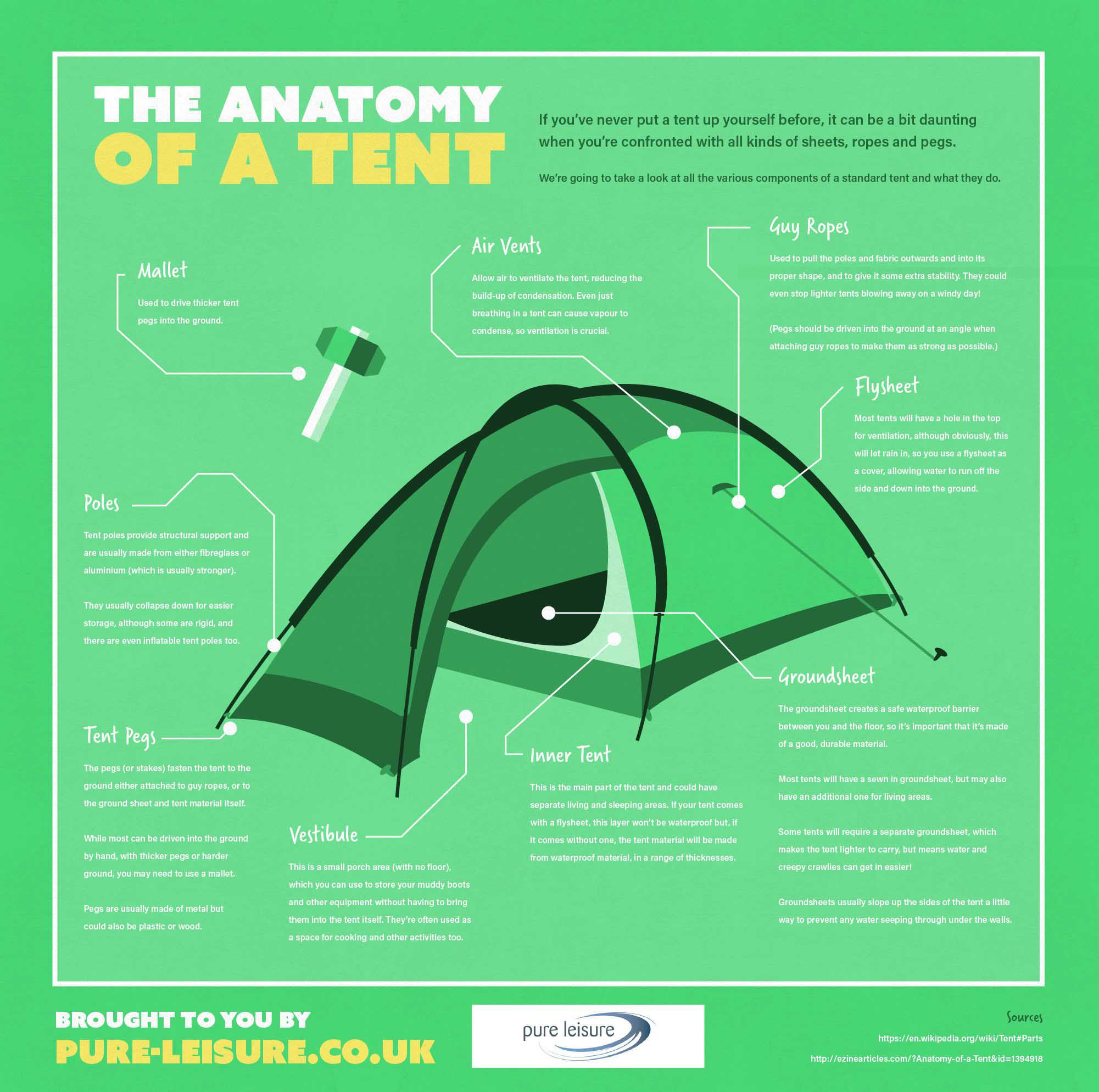
One significant toughness canvas holds over polyester is breathability. Because it is a natural fiber, canvas allows moisture vapor to leave from the within. This makes it a preferred choice for tents and shelters, where condensation accumulation can be a significant convenience issue. Sleeping in a canvas camping tent normally really feels drier inside contrasted to a sealed synthetic alternative, even in damp problems.
Just How Polyester Takes Care Of Water
Polyester is a fully synthetic fabric made from polymer fibers. Unlike canvas, it does not take in water naturally. Water just rests on the surface area of the fibers as opposed to taking in, which offers polyester an immediate benefit in damp problems right out of package.
Most polyester used in outdoor applications is also coated with a polyurethane (PU) layer or treated with a resilient water repellent (DWR) surface. This combination produces an extremely efficient barrier against rain. A high quality polyester material with a high hydrostatic head score-- typically determined in millimeters-- can stand up to considerable water stress prior to any type of leakage happens. Entry-level outside polyester materials generally start at around 1,500 mm, while premium gear can reach 10,000 mm or past.
Resilience Under Wet Conditions
Polyester stands up well under duplicated direct exposure to dampness. It does not rot, mold, or deteriorate when wet the way neglected cotton canvas can. It dries extremely quickly, making it practical for fast-moving exterior tasks where leaving damp gear is unavoidable. For backpackers, kayakers, and cyclists, that quick-dry residential or commercial property is frequently a choosing factor.
The disadvantage is breathability. Greatly covered polyester traps moisture vapor within, bring about condensation build-up in enclosed areas like camping tents or rain coats. Makers address this with membrane modern technologies such as Gore-Tex, yet these options add considerably to the cost.
Alongside: Secret Performance Distinctions
When contrasting the two fabrics straight on water resistant performance, a couple of clear patterns arise.
Canvas needs an initial weathering-in duration and continuous maintenance of its water-proof finish. It does best in constant, modest rain and excels in situations where breathability matters greater than absolute water resistance. It is heavier, slower to completely dry, and much more vulnerable to mold if kept damp.
Polyester uses immediate, reliable water resistance with marginal maintenance. It is light-weight, fast-drying, and offered in a wide variety of waterproof scores to suit various requirements. Its weak point depends on breathability and the eventual malfunction of DWR coverings, which require regular reapplication.
Which One Should You Pick?
The ideal choice depends nearly entirely on your planned use. For base camps, wall surface camping tents, or lasting outside sanctuaries where comfort and air flow matter, canvas stays a timeless and well-earned option. Its all-natural feel, breathable building and construction, and sturdiness over several seasons make it worth the added weight and high camp flask care.
For energetic, mobile outdoor usage-- hiking, cycling, traveling gear, day packs, or light-weight shelters-- polyester is the a lot more practical choice. It delivers constant water-proof performance with much less fuss and far much less weight.
Both materials can maintain you completely dry. The concern is merely which trade-offs you want to make.